The Evolution and Influence of Modern Jewish Music
- Susanna Kleeman
- Mar 11
- 3 min read
Jewish music has a rich history that spans centuries, reflecting the diverse experiences and cultures of Jewish communities worldwide. Modern Jewish music, however, stands out as a dynamic and evolving genre that blends tradition with contemporary sounds. This post explores how modern Jewish music has developed, the influences shaping it, and its impact on both Jewish and global music scenes.
Roots of Modern Jewish Music
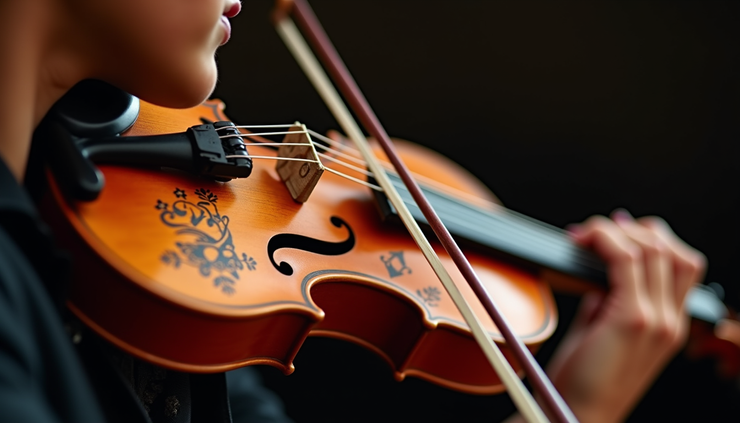
Modern Jewish music draws heavily from traditional sources such as liturgical chants, klezmer, and folk songs. Klezmer, originally the celebratory music of Eastern European Jews, has been a significant influence. It features lively melodies and rhythms designed for dancing and communal gatherings. Over time, klezmer musicians incorporated instruments like clarinets, violins, and accordions, creating a sound that remains popular today.
In addition to klezmer, Sephardic and Mizrahi musical traditions contribute unique scales, rhythms, and instruments. These styles reflect the Jewish diaspora’s presence in the Mediterranean, Middle East, and North Africa. The blending of these diverse traditions laid the groundwork for modern Jewish music’s rich tapestry.
The Impact of Migration and Cultural Exchange
The 20th century brought significant migration waves, especially to the United States and Israel. These movements exposed Jewish musicians to new genres such as jazz, rock, and pop. Jewish artists began experimenting by mixing traditional melodies with contemporary styles, creating fresh sounds that appealed to younger generations.
For example, in the 1960s and 1970s, artists like Shlomo Carlebach introduced spiritual folk music that combined Hasidic themes with Western folk influences. His music inspired a wave of Jewish musicians who sought to express faith and identity through accessible, modern sounds.
In Israel, the melting pot of cultures led to the emergence of Israeli pop and rock, which often incorporates Middle Eastern rhythms and Hebrew lyrics. Bands like Hadag Nahash and artists such as Idan Raichel have gained international recognition by blending traditional Jewish elements with global music trends.
Modern Jewish Music Today
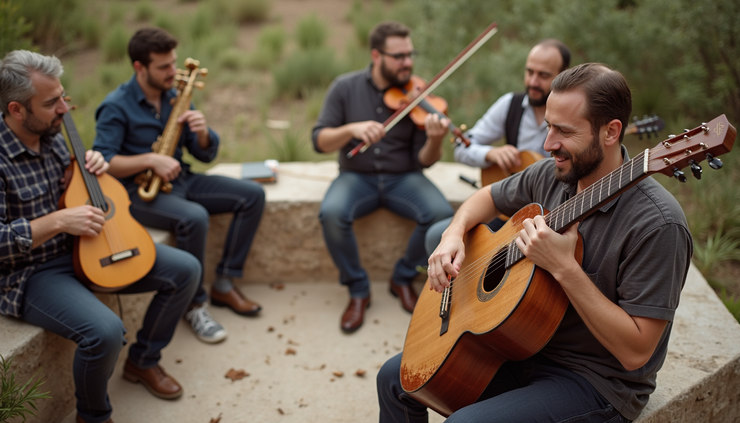
Today, modern Jewish music spans a wide range of genres, from hip-hop and electronic to classical and indie rock. This diversity reflects the global Jewish community’s varied experiences and tastes. Artists often use music to explore themes of identity, spirituality, social justice, and cultural heritage.
Some notable contemporary Jewish musicians include:
Matisyahu: Known for blending reggae, hip-hop, and Jewish themes, Matisyahu gained mainstream success with songs like "King Without a Crown."
Neshama Carlebach: Daughter of Shlomo Carlebach, she continues her father’s legacy by combining traditional Jewish melodies with modern folk and pop.
Y-Love: A Jewish rapper who mixes Hebrew and English lyrics, addressing issues of faith and social justice.
Music festivals and events celebrating Jewish music have also grown in popularity. These gatherings showcase both established and emerging artists, fostering community and cultural exchange.

Influence Beyond the Jewish Community
Modern Jewish music has influenced and been influenced by broader musical trends. Its fusion of traditional and contemporary elements appeals to diverse audiences. Jewish themes and melodies have found their way into mainstream music, film scores, and theater productions.
For example, klezmer music has inspired non-Jewish musicians worldwide, leading to collaborations and new interpretations. The emotional depth and storytelling in Jewish music resonate universally, making it a powerful tool for cultural connection.
Final Thoughts
Modern Jewish music continues to evolve, reflecting the changing identities and experiences of Jewish communities globally. It honors tradition while embracing innovation, creating a vibrant and meaningful musical landscape. Whether through the soulful strains of klezmer or the beats of Jewish hip-hop, this music invites listeners to explore history, faith, and culture in fresh ways.


Comments